Brand consistency is the practice of delivering messages aligned with your core brand values, using the same visual elements, tone, and overall presentation across all channels and touchpoints. When executed properly, brand consistency builds recognition, fosters trust, and creates a cohesive customer experience. In this article, we'll explore why consistency matters and how to maintain it across your print and digital marketing materials.
Why Brand Consistency Matters
Recognition and Recall
Studies show that consistent presentation of a brand increases revenue by an average of 23%. This is largely because consistency helps customers recognise and remember your business. When people encounter consistent branding repeatedly, your business becomes familiar and top-of-mind when they need your products or services.
Trust and Credibility
Consistency signals professionalism and attention to detail. When your branding appears cohesive across all touchpoints, customers subconsciously perceive your business as more trustworthy and established. Conversely, inconsistent branding can create confusion and undermine confidence in your company.
Differentiation from Competitors
A consistent brand identity helps you stand out in crowded markets. When customers can easily identify your unique visual style and messaging approach, your business becomes more distinctive compared to competitors.
Elements of Brand Consistency
Visual Identity
The visual aspects of your brand should remain consistent across all materials:
- Logo usage: Consistent placement, size relationships, and clear space around your logo
- Color palette: Precise color values (CMYK for print, RGB for digital) used consistently
- Typography: Consistent font families, weights, and hierarchies
- Imagery style: Cohesive photography, illustration, and graphic element treatment
- Layout approaches: Similar grid systems and design principles across materials
Voice and Messaging
Your brand's verbal identity should maintain consistency as well:
- Tone of voice: Consistent personality in writing (formal, friendly, technical, etc.)
- Key messages: Core value propositions repeated across channels
- Taglines and slogans: Consistent use of key phrases
- Terminology: Standardised product names and industry terms
Implementing Brand Consistency Across Materials
Create Comprehensive Brand Guidelines
A detailed brand guide serves as the foundation for consistency. Your guidelines should include:
- Logo specifications and usage rules
- Color palette with exact color values
- Typography system and usage hierarchy
- Photography and illustration style direction
- Voice and tone guidelines with examples
- Templates for common applications
Make these guidelines accessible to everyone who creates content for your brand, including internal teams, freelancers, and agencies.
Cross-Channel Consistency
Ensure your brand remains consistent across these common touchpoints:
Print Materials
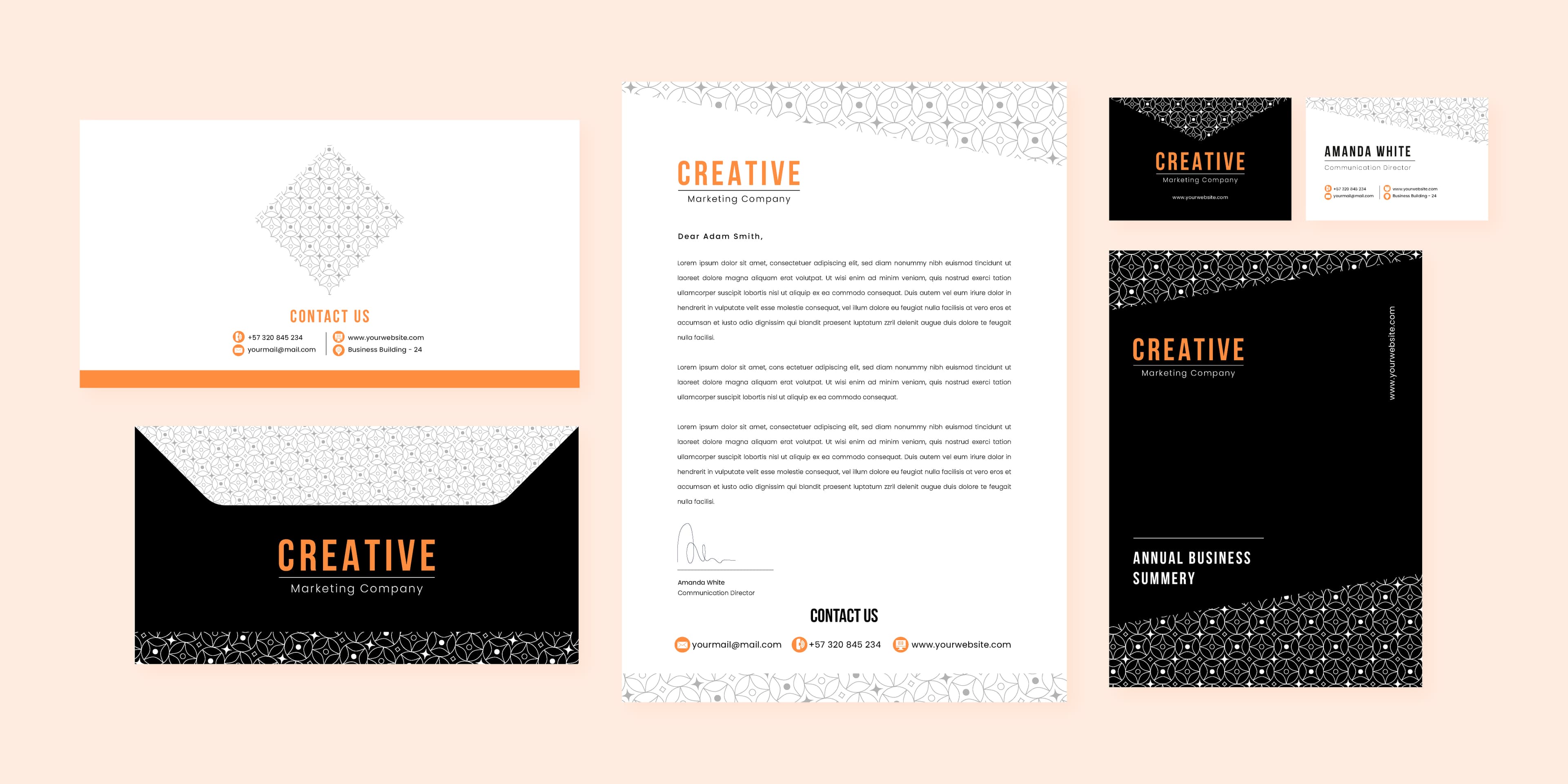
- Business cards, letterheads, and envelopes
- Brochures, flyers, and catalogues
- Packaging and product labels
- Signage and point-of-sale materials
- Vehicle branding and promotional items
Digital Presence
- Website design and user interface
- Social media profiles and content
- Email marketing templates
- Digital advertisements
- Video content and presentations
Environmental Applications
- Office or store environment
- Uniforms and staff appearance
- Exhibition and event materials
- Vehicle fleets
Quality Control Processes
Implement systems to maintain consistency:
- Designate brand guardians responsible for reviewing materials
- Create approval workflows for new content
- Conduct regular brand audits to identify inconsistencies
- Use templates and pre-approved assets when possible
Balancing Consistency with Evolution
While consistency is crucial, brands also need to evolve over time to remain relevant. The key is making intentional, strategic changes rather than allowing unplanned inconsistencies to creep in:
- Schedule periodic brand reviews to assess needed updates
- Evolve your brand systematically rather than piecemeal
- When making significant changes, update all materials within a reasonable timeframe
- Communicate brand evolutions to stakeholders and explain the rationale
Common Consistency Challenges and Solutions
Challenge: Multiple Team Members Creating Content
Solution: Create templates, conduct training sessions, and implement review processes to ensure everyone understands and follows brand guidelines.
Challenge: Budget Constraints for Full Implementation
Solution: Prioritize customer-facing materials first, then gradually update other touchpoints as budget allows.
Challenge: Different Requirements Across Channels
Solution: Create channel-specific guidelines that maintain core brand elements while acknowledging the unique requirements of each medium.
Challenge: Maintaining Consistency During Growth
Solution: As your business expands, invest in brand management systems and designate specific roles for maintaining brand integrity.
Conducting a Brand Consistency Audit
Even businesses with strong brand guidelines can drift over time. Small changes accumulate, a slightly different shade of blue here, an outdated logo version there, and before long, your brand presentation feels fragmented rather than unified. A periodic brand consistency audit helps you identify these gaps before they erode the trust and recognition you've worked to build. Here's a practical step-by-step self-assessment methodology you can apply to your own brand.
Step 1: Gather All Brand Materials
Collect every piece of branded material currently in use, business cards, letterheads, brochures, signage, vehicle branding, website screenshots, social media profiles, email signatures, packaging, uniforms, and any promotional items. Lay them out together (physically or digitally) to see the full picture. This exercise alone is often eye-opening, as most business owners haven't seen all their branded materials side by side before.
Step 2: Compare Against Brand Guidelines
If you have formal brand guidelines, check each item against the documented standards. Look specifically for:
- Correct logo version, size, and placement
- Accurate colour reproduction (compare printed Pantone or CMYK values)
- Consistent typography, correct fonts, weights, and sizes
- Aligned photography or illustration style
- Consistent tone of voice in written content
If you don't yet have formal brand guidelines, use this audit as the starting point to create them, document the best examples of your current branding as the standard to follow going forward. Pay particular attention to materials that were professionally produced, as these are most likely to reflect your intended brand accurately.
Step 3: Identify Inconsistencies
Note every deviation, no matter how small. Common findings include slightly different logo versions across materials, colour drift between print and digital, inconsistent font usage, and varying quality levels between older and newer materials. Even subtle differences, such as a slightly stretched logo on an older brochure or a shade of blue that doesn't quite match your signage, can collectively weaken the impression your brand makes. Categorise each inconsistency by type (colour, logo, typography, imagery, tone of voice) to identify whether you have a systemic issue or isolated one-off errors.
Step 4: Prioritise and Correct
Not all inconsistencies are equally damaging. Prioritise fixes based on visibility and customer impact, customer-facing materials first, internal documents second. Create a schedule for reprinting or updating materials, starting with the highest-traffic touchpoints. A phased approach ensures you address the most impactful issues without overwhelming your budget or your team.
Ensuring Digital-to-Print Consistency
One of the most common areas where brand consistency breaks down is at the boundary between digital and physical materials. Screens and printed surfaces reproduce colour, type, and imagery in fundamentally different ways, and without deliberate attention, your brand can look noticeably different across these channels. For businesses that operate across both digital and print, which today includes nearly every business, bridging this gap is essential.
- Colour translation: Colours appear differently on screens (RGB) versus printed materials (CMYK). Always specify both colour values in your brand guidelines and request print proofs to verify colour accuracy before full production runs. What looks vibrant on a monitor may appear muted in print if colour conversion hasn't been handled carefully.
- Typography across mediums: Fonts may render differently in print versus on-screen. Choose typefaces that work well at both small sizes in print and on-screen at various resolutions. If your brand uses a web-only font, identify a close print-friendly alternative and document both in your guidelines.
- Scaling design elements: Design elements that look elegant on a large monitor may not reproduce well at small print sizes, test your brand assets across all intended applications. A detailed logo mark that renders beautifully on a website header might lose its definition when printed on a business card at a fraction of the size.
- Centralised asset management: Maintain a centralised digital asset library where team members can access current, approved versions of logos, templates, and brand assets. This prevents the common problem of different people using outdated files saved on their local machines, a frequent source of inconsistency, especially in growing teams.
- Scheduled reviews: Establish a regular schedule (quarterly or bi-annually) to review all active brand touchpoints and ensure they remain aligned with current guidelines. Brands evolve, and periodic check-ins ensure that every material reflects your latest standards rather than a version from two or three years ago. These reviews also provide an opportunity to retire outdated materials and replace them with updated versions that better represent your current brand positioning.
Managing Brand Consistency During Growth or Rebranding
Growth and rebranding are exciting milestones, but they're also the moments when brand consistency is most at risk. Whether you're opening new locations, expanding your product range, or refreshing your visual identity, a structured approach helps you evolve without losing the recognition you've built. The businesses that handle these transitions most effectively are those that plan for brand consistency from the outset rather than treating it as an afterthought.
- Before a rebrand: Audit everything currently branded. Create a comprehensive inventory of every touchpoint that will need updating, this prevents overlooked items that continue displaying old branding months after the switch. Forgotten touchpoints like email signatures, invoice templates, or older signage can undermine the impact of an otherwise well-executed rebrand.
- During transition: Develop a clear rollout timeline. Decide whether to transition all materials simultaneously or phase the change (digital first, then print, then signage, then vehicle fleet). A phased approach is often more practical, but it requires clear communication so that customers understand the transition rather than perceiving inconsistency.
- New locations or franchises: Create a brand implementation kit that includes templates, approved vendor lists, material specifications, and a step-by-step setup guide. This ensures new locations launch with brand-compliant materials from day one, rather than improvising and introducing variations that dilute the parent brand.
- New team members or agencies: Include brand orientation as part of onboarding. Provide access to brand guidelines, approved assets, and examples of both correct and incorrect brand usage. When external agencies or freelancers are involved, a thorough brand briefing at the start of the relationship prevents costly revisions later.
- Evolving your brand gradually: If your rebrand is more of a refresh than a complete overhaul, consider evolving elements incrementally. Updating your colour palette while keeping your logo, or modernising your typography while retaining your core visual identity, allows customers to adapt gradually rather than feeling disconnected from the brand they already know.
Building a Brand-Conscious Team
Brand consistency isn't solely the responsibility of your marketing department or your designer, it's a shared commitment across your entire organisation. When everyone understands and values consistent branding, maintaining it becomes significantly easier.
- Share the reasoning: Share the reasoning behind brand guidelines with your team, people follow rules more willingly when they understand the purpose. Explain how consistency builds customer trust and recognition, and how deviations can undermine the professional image you're working to project.
- Make assets accessible: Make brand assets easily accessible through shared drives or brand management platforms. If approved templates and logos are difficult to find, team members are more likely to improvise or use whatever version they happen to have on hand.
- Designate a brand champion: Designate a brand champion or point person who can answer questions and review materials before they go to print or publication. This person doesn't need to be a designer, they simply need a clear understanding of the brand guidelines and the authority to flag inconsistencies.
- Celebrate good examples: Celebrate good examples of brand consistency from within the team to reinforce positive behaviour. Recognising when a colleague produces on-brand materials encourages others to follow suit and creates a culture where brand quality is valued.
- Conduct refresher sessions: Conduct brief refresher sessions when guidelines are updated or when common mistakes are observed. A short team discussion can be far more effective than a lengthy guidelines document that sits unread on a shared drive.
When brand consistency becomes part of your company culture rather than just a set of rules, your team naturally produces materials that strengthen your brand with every customer interaction. This cultural shift doesn't happen overnight, but the long-term benefits, stronger brand recognition, greater customer trust, and a more professional presence in your market, make the investment well worthwhile.
At Winelands Printing & Signage, we help businesses maintain brand consistency across their printed materials, signage, and promotional items. Our design team can work with your existing brand guidelines or help you develop standards that ensure cohesive presentation across all touchpoints. Contact us to discuss how we can support your brand consistency efforts.